


We are not qualified vets or a vet behavourists and this is written from our own experience only. We believe that some of the greyhounds that came in to our care have been. Here's some things we have noticed and that we link to neurological changes in the brain and what makes them act a certain way.
Working with children whose behaviours or sensory needs are seen as being not atypical has helped us a lot when we see greyhounds whose needs are also seen as not atypical. How do I, as a foster carer, navigate this?
I am always aware that they may have strong sensitivity to sounds, touch, movement, or a new environment. They may have intense fear or anxiety about something trivial to most dogs; they may also have difficulty settling. They can also have unusual social behaviour with people and other dogs, not able to read the doggy etiquette and a little awkward with play. They are either too much, or just oblivious to other dogs, making them very vulnerable indeed. We, as their carers, really need to advocate for them in group settings. They don't mean to be annoying the other dogs; they are just not picking up on the cues.
They seem to love the repetitive types of play, ball chasing, chasing lights, or obsessive toy playing.
These greyhounds can often become very overwhelmed in busy and noisy environments. They may have intense fear or anxiety around particular triggers, which makes it all the more sad that they were bred for the racing industry, a world that would have been so unpredictable and terrifying for them.
They may have difficulty adapting to changes in routine. How many of you have been late for breakfast, walks, or toileting, and when you get to them, they are so worked up and stressed? These dogs need consistency and routines, so unpredictable, laid-back homes are not going to work for them and anxiety will increase.
These greyhounds make amazing pets, they just need someone who understands what we like to call their super powers or wonderful quirks. They just need us to see them, advocate for them and most of all give them what they need to thrive.
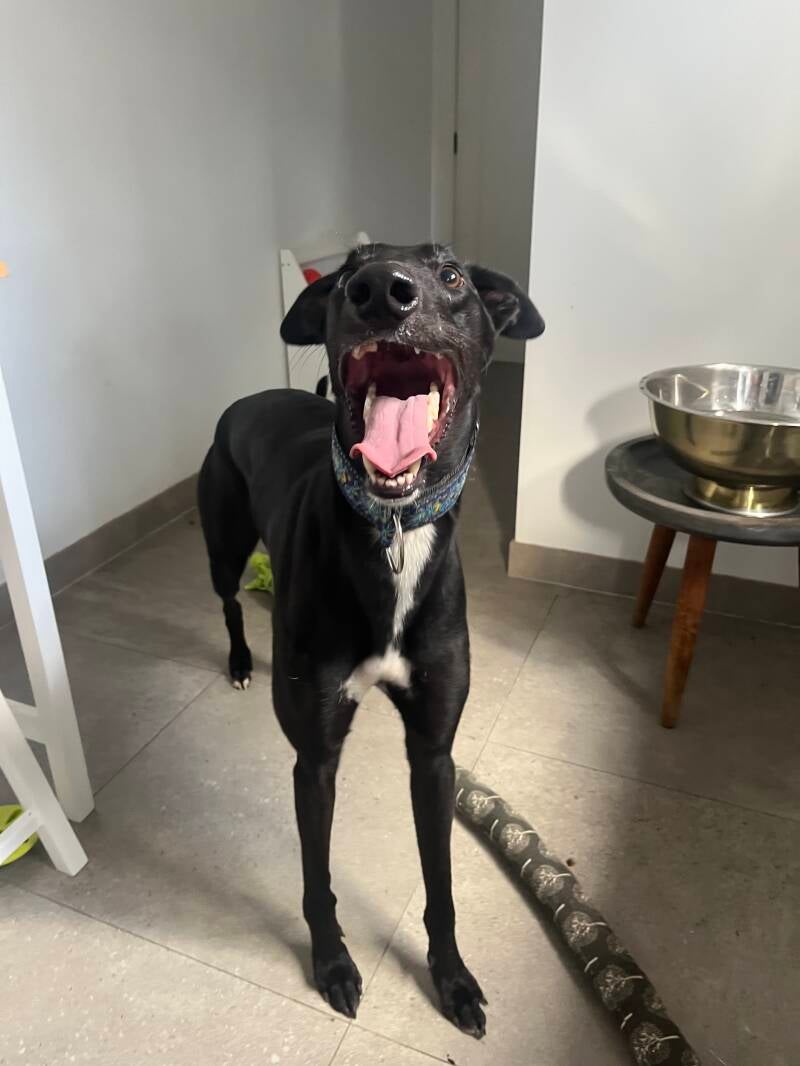
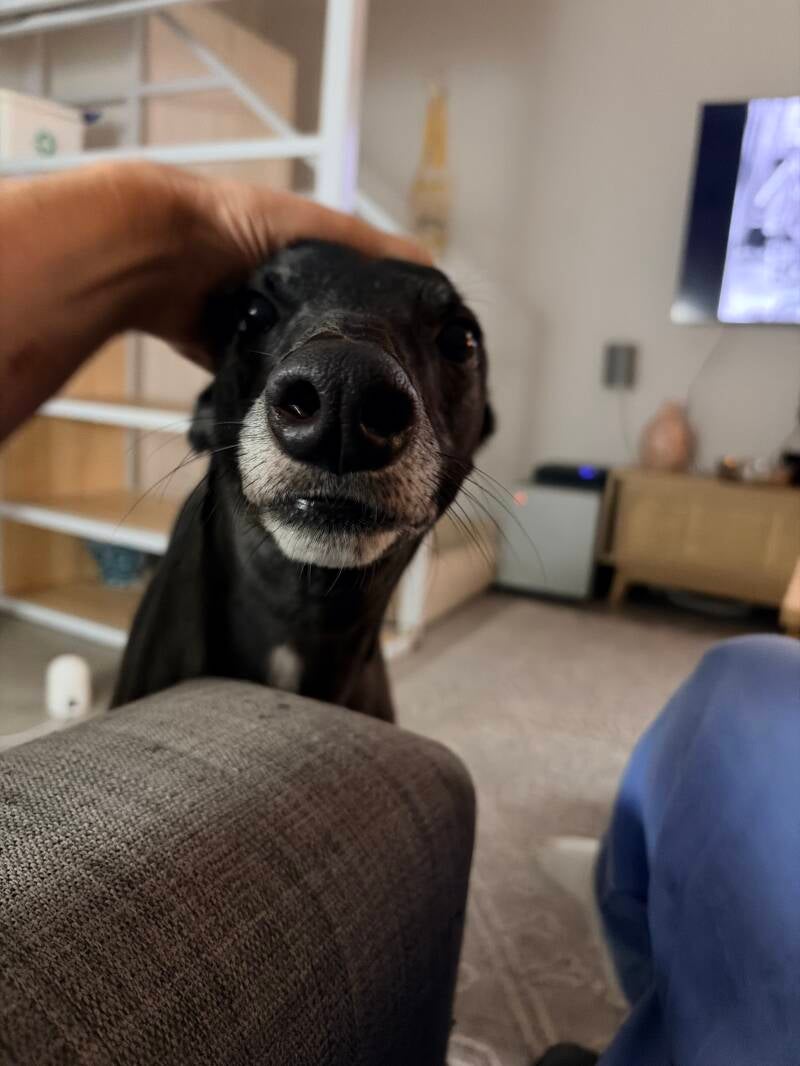
Hugo was one of our Hounds in Homes, who taught us so much about this. He was so missunderstood by everyone, even the so called experts. He was/is such a beautiful companion and such a good boy. Having an owner who undersood him, was so imortant for his rehoming to be succesful. We are so priviliged to have people who are prepared to rescue from us, who never discriminate and especially these beautiful neuro divergent greyhounds.
We can’t thank the adopters enough who look beyond the “cookie-cutter” greyhounds and choose to give one with what we call "Super powers" (That super power being telapahic communication through their eyes and an EQ (emotional intelligence) of 130+: Very high a chance.
When you adopt a greyhound with these needs you are getting a beautiful, uniquely tempered companion who may not have fitted the mould, but has so much love and personality to give.
Add comment
Comments